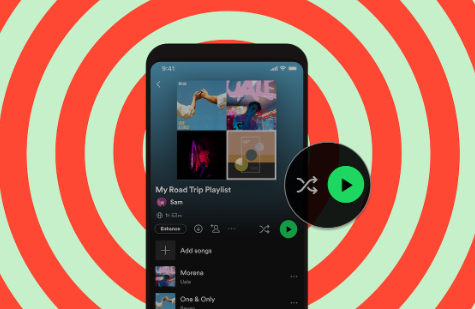
As one of the leading music streaming platforms in the world, Spotify has revolutionized the way we consume and discover music. With millions of songs at our fingertips, the challenge lies in finding the right tunes that resonate with our unique tastes and preferences. Recognizing the importance of personalized music discovery, Spotify constantly strives to enhance its features and algorithms, ensuring that users have a more engaging and tailored experience. In this article, we will explore several key strategies that Spotify can employ to take its music discovery to the next level.
- Utilizing User Data: Spotify possesses a wealth of user data, including listening habits, playlist creation, and explicit preferences. By leveraging this data intelligently, Spotify can better understand individual preferences and deliver more accurate recommendations. This can be achieved by analyzing listening patterns, identifying favorite genres, and recognizing trends in playlist creation. The platform can use machine learning algorithms to create personalized recommendations that consider factors like mood, time of day, and even location.
- Incorporating Social Listening: Humans are inherently social creatures, and music is often a shared experience. By integrating social listening features, Spotify can tap into the power of communities and friends. This could involve allowing users to connect their Spotify accounts with their social media profiles, enabling them to see what their friends are listening to, share playlists, and even engage in collaborative playlist creation. These social interactions foster a sense of community and introduce users to new music through the recommendations of people they trust.
- Expanding Collaborative Playlists: Collaborative playlists have been a popular feature on Spotify, allowing users to curate and share music with others. To enhance the music discovery experience, Spotify can introduce new ways to collaborate, such as creating themed playlists where users can contribute songs based on a specific genre, era, or mood. This not only encourages user engagement but also exposes users to a wider range of music, expanding their horizons and introducing them to new artists and genres.
- Augmented Reality (AR) Integration: As technology continues to advance, incorporating augmented reality (AR) features into the Spotify app could revolutionize the music discovery experience. Imagine being able to point your smartphone camera at a poster or flyer and instantly listen to the featured artist’s music. AR could also be used to create immersive virtual concert experiences or interactive music videos. By merging the digital and physical worlds, Spotify can create a more engaging and interactive platform that connects users with their favorite artists in innovative ways.
- Enhanced Algorithmic Recommendations: While Spotify’s algorithmic recommendations have come a long way, there is always room for improvement. By investing in research and development, Spotify can further refine its recommendation algorithms. This can be achieved through advanced machine learning techniques, incorporating natural language processing to understand user preferences beyond music genres, and incorporating collaborative filtering to analyze the listening habits of similar users. The goal is to present users with accurate and serendipitous music recommendations that go beyond their comfort zones, encouraging musical exploration and discovery.
- Supporting Independent and Emerging Artists: Spotify has the potential to become a powerful platform for independent and emerging artists. By implementing features that highlight and promote lesser-known musicians, Spotify can not only provide users with a unique music discovery experience but also support artists who are outside the mainstream. This can be done through curated playlists, artist showcases, and dedicated sections that showcase up-and-coming talent. Such initiatives empower artists and enable users to discover hidden gems, fostering a vibrant and diverse music ecosystem.
In an era where music streaming platforms are abundant, the key to success lies in providing users with a personalized and engaging experience. By incorporating strategies such as utilizing user data, integrating social listening, expanding collaborative playlists, embracing augmented reality, enhancing algorithmic recommendations, and supporting independent artists, Spotify can take its music discovery features to new heights. By continuously innovating and adapting to the evolving needs and preferences of users, Spotify can cement its position as the go-to platform for discovering and enjoying music in a way that feels uniquely tailored to each individual.
Content generated by ChatGPT