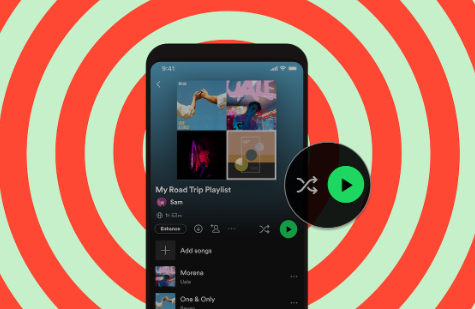
The Magic of Personalized Recommendations: Spotify’s Algorithmic Wizardry

In the vast realm of music streaming, Spotify has risen above its competitors by delivering an unparalleled personalized listening experience. At the core of its appeal lies Spotify’s ability to offer tailored recommendations, introducing users to new songs and artists that align perfectly with their musical tastes. Through the power of advanced algorithms and user data, Spotify has become a master of musical curation, providing features like Discover Weekly and Release Radar that keep users engaged and excited about their music journey. In this article, we delve into the art and science behind Spotify’s personalized recommendations and explore how it has become a driving force behind the platform’s immense popularity.

  1. The Engine of Personalization:

At the heart of Spotify’s personalized recommendations is its powerful recommendation engine. Combining user data, listening habits, and machine learning algorithms, Spotify has created an intricate system that understands each user’s unique musical preferences. The platform analyzes factors such as genres, artists, moods, and even contextual cues to generate recommendations that resonate with individual tastes. This data-driven approach allows Spotify to adapt and refine its suggestions, providing an ever-evolving musical journey.

  1. Discover Weekly: Your Personal Music Curator:

Discover Weekly, one of Spotify’s most beloved features, exemplifies the platform’s ability to deliver tailored recommendations. Every Monday, Spotify curates a playlist specifically for each user, filled with songs from genres and artists they love, as well as introducing them to new and exciting music. By leveraging user data and analyzing listening patterns, Discover Weekly consistently surprises and delights users, making Monday mornings a much-anticipated part of the week for music enthusiasts.

  1. Release Radar: Staying in the Loop:

Spotify’s personalized touch extends beyond discovering old favorites; it also keeps users up to date with the latest releases from their preferred artists. Release Radar is a custom playlist that presents newly released songs and albums from artists users frequently listen to. By staying in tune with their preferred genres and artists, users can be confident that they won’t miss out on the newest tracks, ensuring they stay ahead of the curve in the ever-evolving music landscape.

  1. Daily Mixes: A Tailored Playlist for Every Mood:

Spotify’s commitment to personalization doesn’t stop at discovering new music; it also extends to curating playlists that suit users’ specific moods and preferences. Daily Mixes are personalized playlists that blend users’ most frequently listened-to tracks with new recommendations, creating a seamless and engaging listening experience. Whether you’re in the mood for energetic pop, soothing jazz, or captivating indie tunes, Spotify’s Daily Mixes offer a personalized soundtrack for every moment.

  1. Collaborative Filtering: The Power of the Collective:

Spotify’s recommendation engine thrives on collaborative filtering, a technique that leverages the collective preferences of millions of users. By analyzing listening patterns and identifying similar tastes among users, Spotify can suggest songs and artists that resonate with listeners who share similar musical inclinations. This approach harnesses the power of the crowd, transforming the listening experience into a communal journey of musical exploration.

  1. Serendipity and Discovery:

Spotify’s personalized recommendations go beyond confirming users’ existing preferences; they also spark serendipitous discoveries. By intelligently introducing users to new songs, artists, and genres that align with their musical taste, Spotify fosters a sense of adventure and curiosity. It encourages users to step outside their comfort zones, expanding their musical horizons and unearthing hidden gems they might have otherwise missed.

Spotify’s ability to deliver personalized recommendations has become a defining feature of the platform, capturing the hearts of music enthusiasts worldwide. Through advanced algorithms, user data, and a deep understanding of individual preferences, Spotify curates a tailored musical journey that is both exciting and familiar. Whether it’s through Discover Weekly, Release Radar, or Daily Mixes, Spotify empowers users to explore, discover, and fall in love with music that speaks directly to their souls. As Spotify continues to refine and innovate its recommendation engine, its ability to deliver personalized experiences will undoubtedly remain a key factor in its enduring appeal.

Content generated by ChatGPT

Unveiling the Global Appeal of Spotify: Factors Behind Its Captivating User Base Across Regions

With its ever-growing user base and global dominance in the music streaming industry, Spotify has proven itself as a force to be reckoned with. This article delves into the factors that contribute to Spotify’s widespread appeal and its ability to captivate a large user base across different regions. From its diverse music catalog to its user-friendly features and strategic initiatives, we explore the key elements that have propelled Spotify to the forefront of the industry.

  1. Vast Music Catalog:

One of the fundamental reasons for Spotify’s appeal is its vast music catalog, encompassing a wide range of genres, languages, and artists from around the world. Whether it’s mainstream hits or niche genres, Spotify ensures that users can discover and enjoy music that resonates with their preferences. By catering to diverse musical tastes and consistently updating its catalog, Spotify has successfully attracted a broad user base across various regions.

  1. Personalized Recommendations and Discoverability:

Spotify’s ability to deliver personalized recommendations is a key factor behind its appeal. By leveraging advanced algorithms and user data, Spotify offers tailored playlists, such as Discover Weekly and Release Radar, that introduce users to new songs and artists aligned with their musical preferences. This personalized approach enhances the user experience and fosters a sense of discovery, keeping users engaged and continually exploring the platform.

  1. User-Friendly Interface and Features:

The user-friendly interface and intuitive features of Spotify contribute significantly to its widespread appeal. With a sleek and accessible design, Spotify allows users to effortlessly navigate the platform, search for specific tracks or artists, create playlists, and follow their favorite musicians. Additionally, features like cross-device syncing, seamless playback, and offline listening enhance the convenience and accessibility of Spotify, making it a go-to choice for users across different regions.

  1. Social and Collaborative Elements:

Spotify’s integration of social and collaborative elements adds an interactive and engaging dimension to the platform. Users can connect with friends, follow their musical journeys, share playlists, and collaborate on curated lists. This social aspect not only fosters a sense of community but also amplifies Spotify’s reach through word-of-mouth recommendations. By facilitating connections between users and allowing them to participate in a shared musical experience, Spotify strengthens its appeal and cultivates a loyal user base.

  1. Partnerships and Exclusive Content:

Spotify has forged strategic partnerships with artists, labels, and content creators, securing exclusive releases, live sessions, and podcast collaborations. By offering unique content and experiences that cannot be found elsewhere, Spotify entices users to choose its platform over competitors. These partnerships also provide opportunities for cross-promotion, boosting the visibility of both established and emerging artists and further expanding Spotify’s global appeal.

  1. Localization and Regional Relevance:

Recognizing the importance of local music scenes and regional preferences, Spotify has made significant efforts to localize its platform across different regions. This includes curating regional playlists, promoting local artists, and offering support for diverse languages. By embracing cultural diversity and providing a platform that resonates with specific regions, Spotify effectively caters to the diverse musical tastes of users worldwide, strengthening its appeal on a global scale.

  1. Continuous Innovation and Adaptation:

Spotify’s commitment to innovation and adaptability has played a pivotal role in its ability to captivate users across regions. The platform consistently introduces new features, such as podcasts, enhanced audio quality options, and personalized playlists, to stay ahead of evolving trends and user expectations. By embracing emerging technologies and responding to user feedback, Spotify remains fresh, exciting, and relevant, attracting and retaining a large user base globally.

The widespread appeal and captivating user base of Spotify can be attributed to a combination of factors, including its vast music catalog, personalized recommendations, user-friendly interface, social and collaborative elements, strategic partnerships, localization efforts, and continuous innovation. By understanding and addressing the diverse needs and preferences of users across regions, Spotify has solidified its position as a global leader in the music streaming industry. As it continues to evolve and adapt, Spotify’s ability to captivate and engage its users is likely to grow, ensuring its ongoing success in the digital music landscape.

Content generated by ChatGPT

The Spotify Phenomenon: Captivating Millions of Users and Dominating the Music Streaming Industry

In the ever-evolving world of digital music, one name has risen to the top, captivating millions of users worldwide and establishing itself as the frontrunner in the music streaming industry: Spotify. This article explores the factors that have contributed to Spotify’s remarkable success, examining its innovative features, strategic partnerships, user-centric approach, and its ability to adapt and stay ahead of the competition.

  1. An Innovative User Experience:

One of the key reasons behind Spotify’s success is its commitment to providing an unparalleled user experience. From its inception, Spotify understood the importance of simplicity and convenience. Its intuitive interface and user-friendly design allow users to effortlessly discover, curate, and share music. The platform’s personalized playlists, algorithmic recommendations, and extensive library of songs cater to individual tastes, creating a highly engaging and personalized experience.

  1. Strategic Partnerships and Content Acquisition:

Spotify has consistently forged strategic partnerships with major record labels, independent artists, and content creators, ensuring a vast and diverse music catalog. By securing licensing agreements, exclusive releases, and collaborations with renowned artists, Spotify has been able to offer its users a unique and compelling range of content. This commitment to acquiring and promoting new music has helped differentiate Spotify from its competitors and attract a dedicated user base.

  1. Seamless Integration and Accessibility:

Spotify’s seamless integration across multiple devices and platforms has played a crucial role in its global success. Whether users are listening on their smartphones, tablets, desktops, or smart speakers, Spotify ensures a consistent and uninterrupted listening experience. Furthermore, the ability to sync playlists offline and access music on-the-go without data connectivity has greatly enhanced its appeal to a diverse range of users worldwide.

  1. Social Sharing and Collaborative Features:

Spotify recognized the power of social sharing early on, allowing users to connect with friends, share playlists, and discover new music together. Its integration with social media platforms enables users to showcase their musical preferences, follow their favorite artists, and engage in a vibrant community. Additionally, Spotify’s collaborative playlist feature allows users to create shared playlists, fostering a sense of musical collaboration and enhancing the social aspect of the platform.

  1. Data-Driven Insights and Targeted Advertising:

Through its vast user base and sophisticated data analytics, Spotify offers valuable insights to artists, labels, and advertisers. By leveraging user listening habits and preferences, Spotify provides targeted advertising opportunities and enables artists to understand and connect with their fan base on a deeper level. This data-driven approach has not only benefited Spotify’s revenue streams but has also helped in curating personalized experiences for users.

  1. Global Expansion and Localization Efforts:

Spotify’s global expansion strategy has been instrumental in its widespread success. By launching in numerous countries and investing in localization efforts, Spotify has adapted its platform to cater to diverse cultures and languages. Collaborations with local artists, curated regional playlists, and support for regional music genres have allowed Spotify to penetrate and resonate with audiences in different regions, fostering a strong global presence.

  1. Continuous Innovation and Adaptation:

Remaining at the forefront of the music streaming industry requires constant innovation and adaptation. Spotify has consistently introduced new features and functionalities, such as personalized playlists like Discover Weekly and Release Radar, podcast integration, and high-quality audio streaming options. By embracing emerging technologies, responding to user feedback, and staying ahead of trends, Spotify has demonstrated its commitment to delivering a cutting-edge and evolving platform.

Spotify’s rise to prominence in the music streaming industry can be attributed to a combination of factors. Its focus on user experience, strategic partnerships, seamless integration, social features, data-driven insights, global expansion, and continuous innovation have collectively allowed Spotify to capture the attention of millions of users worldwide and establish itself as the frontrunner in its field. As the digital music landscape continues to evolve, Spotify’s ability to adapt and meet the changing needs of its users positions it strongly for continued success in the future.

Content generated by ChatGPT

Innovating Spotify’s Music Recommendation System: Unveiling Strategies for Enhanced Accuracy and Discovery

In the vast landscape of music streaming platforms, Spotify has emerged as a frontrunner, captivating millions of users worldwide. A key element of Spotify’s success lies in its ability to recommend music tailored to individual tastes, ensuring an immersive and personalized experience. To further improve the accuracy and effectiveness of its music recommendations, Spotify can employ innovative strategies and leverage emerging technologies. In this article, we will explore some of these strategies, shedding light on how Spotify can empower users to discover new artists and genres they would enjoy.

  1. Embracing Advanced Machine Learning Techniques: Machine learning is at the core of Spotify’s recommendation system, and leveraging advanced techniques can significantly enhance its accuracy. Spotify can invest in deep learning algorithms, such as convolutional neural networks (CNNs) and recurrent neural networks (RNNs), to analyze audio features, lyrics, and user behavior data. By extracting intricate patterns from vast amounts of data, these algorithms can provide more nuanced recommendations, surpassing genre-based suggestions and delving into the essence of musical preferences.
  2. Incorporating Contextual Information: While music preferences are influenced by personal taste, they are also influenced by external factors such as time, location, and mood. Spotify can enrich its recommendation system by incorporating contextual information into its algorithms. By considering factors like time of day, weather conditions, or user activity patterns, Spotify can suggest appropriate playlists and songs that align with the user’s current context. This approach allows for dynamic and personalized recommendations that adapt to the user’s environment and emotional state.
  3. Integrating Natural Language Processing (NLP): Beyond audio analysis, Spotify can employ natural language processing (NLP) techniques to better understand user preferences. By analyzing song titles, artist biographies, and user-generated content, Spotify can gain deeper insights into the semantic meaning of songs and build associations between different genres, themes, and moods. NLP can also be utilized to interpret user feedback, comments, and reviews, providing valuable information to refine recommendations and cater to individual preferences.
  4. Harnessing User-Generated Data: Spotify’s vast user base generates an immense amount of data that can be harnessed to improve music recommendations. Spotify can explore innovative ways to leverage user-generated content, such as analyzing user-created playlists, likes, shares, and comments. By considering the collective wisdom of its users, Spotify can uncover hidden connections and trends, identifying emerging artists and genres that align with individual tastes. This user-centric approach fosters a sense of community and empowers users to contribute to the discovery process.
  5. Collaborating with Artists and Curators: Collaborating directly with artists and curators can be a powerful strategy for Spotify to enhance its music recommendation system. By engaging with musicians and industry professionals, Spotify can gain access to exclusive insights about the creative process, influences, and collaborations behind various songs and albums. This information can enrich the metadata associated with tracks, allowing for more accurate recommendations based on the nuances of artist styles and collaborations.
  6. Experimenting with Gamification Elements: Adding gamification elements to the music discovery experience can inject a sense of excitement and engagement. Spotify can introduce features like personalized challenges, quizzes, or virtual rewards based on users’ listening habits and exploration of new genres. Gamification elements not only enhance user enjoyment but also encourage them to explore different artists and genres they might not have encountered otherwise. This approach promotes serendipitous discovery and helps users expand their musical horizons.
  7. Leveraging Augmented Reality (AR) and Virtual Reality (VR): With the rise of augmented reality (AR) and virtual reality (VR), Spotify can explore immersive experiences that transform the way users discover and interact with music. By integrating AR and VR technologies, Spotify can enable users to step into virtual concert halls, explore artist exhibitions, or even create personalized virtual music spaces. These immersive experiences allow users to engage with music in new and captivating ways, fostering a deeper connection with artists and their music.

Spotify’s music recommendation system is already a remarkable tool, providing users with tailored suggestions that align with their tastes. However, by embracing advanced machine learning techniques, incorporating contextual information, leveraging natural language processing, harnessing user-generated data, collaborating with artists and curators, experimenting with gamification, and exploring AR/VR technologies, Spotify can revolutionize the music discovery experience. Through constant innovation and adaptation, Spotify can empower users to embark on an exciting journey of exploration, unearthing new artists and genres they would genuinely enjoy.

Content generated by ChatGPT

Enhancing Spotify’s Music Discovery: Providing Users with a Personalized and Engaging Experience

As one of the leading music streaming platforms in the world, Spotify has revolutionized the way we consume and discover music. With millions of songs at our fingertips, the challenge lies in finding the right tunes that resonate with our unique tastes and preferences. Recognizing the importance of personalized music discovery, Spotify constantly strives to enhance its features and algorithms, ensuring that users have a more engaging and tailored experience. In this article, we will explore several key strategies that Spotify can employ to take its music discovery to the next level.

  1. Utilizing User Data: Spotify possesses a wealth of user data, including listening habits, playlist creation, and explicit preferences. By leveraging this data intelligently, Spotify can better understand individual preferences and deliver more accurate recommendations. This can be achieved by analyzing listening patterns, identifying favorite genres, and recognizing trends in playlist creation. The platform can use machine learning algorithms to create personalized recommendations that consider factors like mood, time of day, and even location.
  2. Incorporating Social Listening: Humans are inherently social creatures, and music is often a shared experience. By integrating social listening features, Spotify can tap into the power of communities and friends. This could involve allowing users to connect their Spotify accounts with their social media profiles, enabling them to see what their friends are listening to, share playlists, and even engage in collaborative playlist creation. These social interactions foster a sense of community and introduce users to new music through the recommendations of people they trust.
  3. Expanding Collaborative Playlists: Collaborative playlists have been a popular feature on Spotify, allowing users to curate and share music with others. To enhance the music discovery experience, Spotify can introduce new ways to collaborate, such as creating themed playlists where users can contribute songs based on a specific genre, era, or mood. This not only encourages user engagement but also exposes users to a wider range of music, expanding their horizons and introducing them to new artists and genres.
  4. Augmented Reality (AR) Integration: As technology continues to advance, incorporating augmented reality (AR) features into the Spotify app could revolutionize the music discovery experience. Imagine being able to point your smartphone camera at a poster or flyer and instantly listen to the featured artist’s music. AR could also be used to create immersive virtual concert experiences or interactive music videos. By merging the digital and physical worlds, Spotify can create a more engaging and interactive platform that connects users with their favorite artists in innovative ways.
  5. Enhanced Algorithmic Recommendations: While Spotify’s algorithmic recommendations have come a long way, there is always room for improvement. By investing in research and development, Spotify can further refine its recommendation algorithms. This can be achieved through advanced machine learning techniques, incorporating natural language processing to understand user preferences beyond music genres, and incorporating collaborative filtering to analyze the listening habits of similar users. The goal is to present users with accurate and serendipitous music recommendations that go beyond their comfort zones, encouraging musical exploration and discovery.
  6. Supporting Independent and Emerging Artists: Spotify has the potential to become a powerful platform for independent and emerging artists. By implementing features that highlight and promote lesser-known musicians, Spotify can not only provide users with a unique music discovery experience but also support artists who are outside the mainstream. This can be done through curated playlists, artist showcases, and dedicated sections that showcase up-and-coming talent. Such initiatives empower artists and enable users to discover hidden gems, fostering a vibrant and diverse music ecosystem.

In an era where music streaming platforms are abundant, the key to success lies in providing users with a personalized and engaging experience. By incorporating strategies such as utilizing user data, integrating social listening, expanding collaborative playlists, embracing augmented reality, enhancing algorithmic recommendations, and supporting independent artists, Spotify can take its music discovery features to new heights. By continuously innovating and adapting to the evolving needs and preferences of users, Spotify can cement its position as the go-to platform for discovering and enjoying music in a way that feels uniquely tailored to each individual.

Content generated by ChatGPT

Enhancing Spotify’s Music Discovery

Enhancing Music Exploration: Spotify’s Innovative Discovery Features

In today’s digital age, music streaming platforms have revolutionized the way we listen to and discover new music. Among them, Spotify stands out as a leader in the industry, continually introducing innovative features to enhance the music exploration experience for its users. With the introduction of personalized playlists like “Discover Weekly” and “Release Radar,” Spotify has made it easier than ever to stay up-to-date with the latest releases and discover emerging artists. In this article, we will explore how these features have significantly transformed the music discovery process.

  1. Discover Weekly: A Personalized Musical Journey

Spotify’s “Discover Weekly” playlist is a game-changer for music enthusiasts. Released every Monday, this playlist is curated based on each user’s listening habits, preferences, and musical taste. By analyzing the songs you listen to, the artists you follow, and the genres you enjoy, Spotify’s algorithm generates a unique playlist of 30 songs tailored specifically for you.

This personalized approach to music curation allows users to venture beyond their comfort zones and explore new genres, artists, and tracks. Discover Weekly has become a go-to destination for users looking to expand their musical horizons and find hidden gems that align with their individual taste. With each passing week, the playlist adapts to your evolving musical interests, ensuring a fresh and exciting discovery experience.

  1. Release Radar: Keeping You in the Loop

The constant flow of new music releases can be overwhelming, making it challenging to stay updated with the latest tracks from your favorite artists or discover emerging talents. Spotify’s “Release Radar” playlist addresses this issue by curating a personalized selection of newly released songs, tailored specifically to each user’s preferences.

By considering the artists you follow, the genres you enjoy, and the songs you’ve saved, Spotify’s algorithm creates a playlist that brings together the latest releases from your favorite musicians and introduces you to promising new artists in the same musical sphere. This feature keeps you informed about the music landscape and ensures that you don’t miss out on the tracks that matter most to you.

  1. Enhanced Music Discovery Experience

The introduction of these innovative features by Spotify has transformed the way users explore and discover music. With Discover Weekly and Release Radar, music discovery has become an effortless and exciting journey, offering a more immersive and personalized experience. Here are some key benefits of these features:

a. Variety and Serendipity: Discover Weekly exposes users to a diverse range of artists and genres they may not have encountered otherwise. By blending familiar favorites with new and unexpected tracks, the playlist offers a delightful mix that fosters musical serendipity.

b. Emerging Artists: Discover Weekly and Release Radar play a pivotal role in showcasing emerging artists to a wider audience. By incorporating tracks from up-and-coming musicians, these playlists provide valuable exposure and recognition, aiding in the growth of their careers.

c. Engagement and Retention: The personalized nature of these features helps Spotify engage users and retain their loyalty. By consistently delivering playlists that align with their preferences, Spotify fosters a sense of connection and satisfaction, encouraging users to spend more time on the platform.

d. Music Industry Impact: Spotify’s discovery features have had a significant impact on the music industry as a whole. By introducing listeners to new artists and songs, these features contribute to the growth of music consumption and provide a platform for talented musicians to gain recognition and reach a wider audience.

In the dynamic world of music streaming, Spotify continues to innovate and push the boundaries of music discovery. Through features like Discover Weekly and Release Radar, Spotify has revolutionized the way we explore music, making it easier to stay up-to-date with the latest releases and discover emerging talents. By personalizing the music curation process, Spotify offers a more immersive.

Podcasts Transform Spotify

Recognizing the Growing Popularity of Podcasts: Spotify’s Transformation into a One-Stop Destination for Audio Content

In recent years, podcasts have taken the world by storm, captivating listeners with their engaging storytelling and diverse range of topics. Recognizing this growing popularity, Spotify, the renowned music streaming service, made a strategic move to expand its platform to include podcasts, thus transforming itself into a one-stop destination for both music and spoken-word content. This integration has revolutionized the way we consume audio content, offering users a centralized platform for all their listening needs.

Spotify’s decision to incorporate podcasts into its platform was a significant step towards meeting the evolving demands of its user base. The company realized that audio content extended beyond just music and saw the immense potential in diversifying its offerings. By integrating podcasts, Spotify recognized the opportunity to engage a broader audience and provide a comprehensive audio experience.

One of the key advantages of this integration is the convenience it offers to users. Previously, listeners had to switch between different apps or platforms to enjoy music and podcasts separately. However, Spotify’s move consolidated these experiences into a single platform, eliminating the need for multiple apps and simplifying the audio consumption process. Users can now seamlessly transition from music playlists to their favorite podcasts, enhancing their overall listening experience.

Furthermore, Spotify’s foray into the podcasting industry brought numerous benefits for content creators. By offering a dedicated podcasting platform, Spotify provided a significant opportunity for creators to reach a broader audience and expand their listener base. With Spotify’s extensive user reach and personalized recommendation algorithms, content creators can connect with new listeners who might have otherwise missed their shows. This increased exposure has encouraged many aspiring podcasters to jump on the bandwagon, resulting in a vibrant and diverse podcasting landscape.

Additionally, Spotify’s podcast integration introduced new monetization opportunities for content creators. Through various advertising and sponsorship models, podcasters can now generate revenue directly from their shows. This has incentivized creators to produce high-quality content consistently, further enriching the podcasting ecosystem. By offering monetization options, Spotify has empowered content creators to turn their passion into a sustainable career, encouraging the production of engaging and informative podcasts.

The centralization of audio content on Spotify has also benefited listeners by introducing them to a vast array of podcasts covering diverse genres and topics. The platform’s recommendation algorithms, powered by machine learning, analyze user preferences and listening habits to suggest personalized podcast recommendations. This intelligent curation enables users to discover new shows tailored to their interests, expanding their horizons and introducing them to new voices and perspectives.

Moreover, Spotify’s podcast integration has fostered a sense of community among listeners. The platform provides features such as comments, reviews, and sharing options, allowing users to engage in discussions and recommend shows to friends and family. This social aspect of audio content consumption has created a vibrant community of podcast enthusiasts, facilitating the exchange of ideas and fostering a deeper connection between creators and listeners.

Spotify’s commitment to podcasting goes beyond its integration efforts. The company has actively invested in exclusive podcast deals and original content creation, bringing highly anticipated shows and celebrity-hosted programs to its platform. These exclusives have drawn significant attention, attracting both avid podcast consumers and those new to the medium. By securing exclusive content, Spotify has positioned itself as a premier destination for top-tier podcasts, further solidifying its dominance in the audio streaming industry.

However, Spotify’s foray into podcasting is not without its challenges. As the podcasting landscape becomes increasingly saturated, discoverability becomes a significant concern for both creators and listeners. With countless shows vying for attention, standing out in the crowd can be difficult. Spotify has recognized this challenge and has introduced features such as curated playlists and personalized recommendations to address the issue. Nevertheless, ongoing efforts are necessary to ensure that smaller and emerging podcasters receive fair,

Spotify Collaborative Playlists

Spotify Enables Social Music Curation with Collaborative Playlists

In the digital age, music has become an integral part of our lives, with platforms like Spotify revolutionizing the way we discover, listen to, and share our favorite tunes. One of Spotify’s most innovative features is the ability to create and share collaborative playlists, fostering social interaction and transforming music consumption into a more engaging and communal experience. With collaborative playlists, users can connect with friends, family, or even the wider community, collectively curating a musical journey that resonates with their shared interests and emotions.

Traditionally, music has always been a social activity. People gather around radios, attend concerts, or exchange mixtapes to connect with others through the power of music. However, the advent of digital streaming services transformed the landscape, offering personalized recommendations and individualized experiences. While this personalization is great, it can sometimes lead to isolation, where people listen to music alone, missing out on the communal aspect that has made music such a powerful medium throughout history.

Recognizing this, Spotify introduced collaborative playlists as a way to bridge the gap between personalized music consumption and social interaction. This feature allows users to invite others to contribute to a playlist, creating a space where different voices and tastes can blend harmoniously. Whether it’s a group of friends creating a playlist for a road trip or a family gathering music that everyone can enjoy, Spotify’s collaborative playlists enable a shared musical experience that brings people closer together.

The process of creating a collaborative playlist is simple and intuitive. Users can start by creating a playlist like they would for their individual listening pleasure. Once the playlist is created, they have the option to make it collaborative by simply toggling a switch. This action enables others to contribute their favorite tracks to the playlist, fostering a sense of collective ownership and creative collaboration. Additionally, users can choose to make the playlist public, allowing anyone within the Spotify community to discover, follow, and contribute to it.

The possibilities of collaborative playlists are endless. Friends planning a party can gather their favorite dance tracks, blending different genres and eras to create the perfect playlist that will get everyone on their feet. Music enthusiasts can collaborate on themed playlists, such as “Best Songs of the 80s” or “Ultimate Road Trip Anthems,” sharing their love for specific genres, artists, or moods. Families can create a shared playlist that captures their unique dynamics, filled with songs that hold sentimental value and evoke cherished memories. The beauty of collaborative playlists lies in the diversity of contributors, enabling a rich tapestry of musical tastes and perspectives.

Beyond personal connections, collaborative playlists also open up opportunities for engagement with the wider Spotify community. Users can explore and follow public collaborative playlists created by others, immersing themselves in a diverse range of musical experiences curated by people from all walks of life. This communal aspect of Spotify fosters discovery, exposing users to new artists, genres, and songs they might never have encountered on their own. By listening to and contributing to collaborative playlists, users become part of a global music ecosystem, connecting with others who share their passion for music.

Furthermore, collaborative playlists can extend beyond individual users and reach a larger audience. Artists, record labels, and brands are leveraging this feature to engage with their fan base and create meaningful connections. Musicians can invite their followers to contribute to a playlist, giving them a glimpse into their musical influences and deepening the connection between artist and fan. Brands can collaborate with Spotify users to curate playlists that align with their values or target audience, forging a stronger brand-consumer relationship through the power of music.

Spotify’s collaborative playlists have revolutionized the way we experience and share music. By enabling users to create and curate playlists together, the platform has made music consumption a more social and engaging activity.

Spotify’s Immersive Playlists


Spotify’s Curated Playlists: Enhancing Music Discovery and Immersive Listening Experience

In the realm of music streaming, Spotify has emerged as a dominant force, revolutionizing the way we consume music. One of the key features that have propelled Spotify’s success is its curated playlists. These expertly crafted collections of songs cater to various moods, activities, genres, and even specific occasions, offering users a diverse range of options to enhance their music discovery and create an immersive listening experience.

Gone are the days of sifting through massive libraries of music or relying solely on personal preferences to find something new. Spotify’s curated playlists have become immensely popular because they effortlessly provide users with the right music for any moment. Whether you’re in the mood for upbeat tunes to energize your workout, relaxing melodies for a peaceful evening, or even nostalgic tracks to transport you back in time, Spotify has a playlist for it.

The beauty of curated playlists lies in their ability to capture the essence of a particular mood or activity. Behind the scenes, Spotify employs a team of experienced curators who possess a deep understanding of music and its impact on emotions. These experts meticulously handpick songs that align with the intended mood or activity, creating a seamless and enjoyable listening experience. Their expertise shines through the playlists, as each track seamlessly transitions into the next, creating a cohesive musical journey.

One of the most significant advantages of Spotify’s curated playlists is the discovery of new artists and genres. By exploring playlists beyond one’s usual preferences, users can stumble upon hidden gems that they may have otherwise missed. This exposure to new music widens musical horizons, introducing listeners to a plethora of artists and genres they might not have encountered otherwise. The curation process ensures that even within specific genres, users are presented with a diverse selection of songs, preventing stagnation and promoting exploration.

Moreover, curated playlists have the power to amplify the atmosphere during specific activities or occasions. Consider a dinner party where the host can effortlessly set the mood by selecting a playlist tailored for entertaining guests. The carefully curated songs create a pleasant ambiance, sparking conversations and creating lasting memories. Similarly, during moments of solitude, users can delve into introspective playlists that resonate with their emotions, providing solace and comfort. The ability to curate music to suit specific situations transforms ordinary moments into extraordinary experiences.

Spotify also recognizes that users have unique preferences and diverse cultural backgrounds. To cater to this wide array of tastes, the platform offers curated playlists that celebrate different cultures, languages, and regional music. These playlists not only enable users to reconnect with their roots but also foster appreciation for global diversity. By incorporating localized content, Spotify encourages users to explore and immerse themselves in the richness of different musical traditions, breaking barriers and fostering a sense of unity through music.

The success of Spotify’s curated playlists can be attributed to their seamless integration into the user experience. The platform employs algorithms that analyze user preferences, listening habits, and interactions to offer personalized recommendations. This ensures that each user’s curated playlists align with their musical tastes, making the discovery process even more tailored and enjoyable. Additionally, Spotify allows users to create their own playlists and share them with others, further enhancing the sense of community and musical discovery.

As Spotify continues to refine its curated playlists feature, the potential for enhancing the music streaming experience seems boundless. With advancements in artificial intelligence and machine learning, the platform could offer even more personalized and contextually aware playlists. Imagine a playlist that adapts to your current mood, the weather outside, or the time of day, creating a truly immersive and dynamic listening experience.

In Spotify’s curated playlists have revolutionized the way we discover and consume music. By offering a diverse range of expertly crafted playlists for different moods, activities, genres, and occasions, Spotify has elevated music streaming to new.

Spotify Personalized Music Discovery

Spotify Revolutionizes Music Discovery with Personalized Recommendations

In the realm of music streaming, Spotify has emerged as a trailblazer, transforming the way we discover and enjoy music. One of the key features that has propelled Spotify to the forefront is its revolutionary personalized recommendation system. By leveraging advanced algorithms that delve deep into user preferences, listening habits, and playlists, Spotify has created a dynamic platform that tailors music suggestions to the individual user. This personalized approach has not only revolutionized the music industry but has also enhanced the music discovery experience for millions of users worldwide.

Body:

  1. The Power of Algorithms :

Spotify’s personalized recommendation system is powered by sophisticated algorithms that analyze vast amounts of data to understand user preferences. These algorithms take into account a variety of factors, including the user’s listening history, favorite genres, recently played songs, and even the time of day they tend to listen to music. By examining patterns and connections within this data, Spotify’s algorithms make intelligent predictions about the kind of music a user might enjoy.

  1. The Discovery Weekly Playlist :

One of Spotify’s most beloved features is the Discovery Weekly playlist. Every Monday, users are presented with a unique playlist tailored specifically to their musical tastes. This personalized playlist introduces users to new artists, genres, and songs that align with their preferences, often unearthing hidden gems that they might have otherwise missed. The algorithm learns from user feedback, taking into account the songs users skip, save, or repeatedly listen to, further refining its recommendations.

  1. Release Radar and Daily Mixes:

In addition to the Discovery Weekly playlist, Spotify offers other personalized playlists such as Release Radar and Daily Mixes. Release Radar alerts users to new releases from their favorite artists, ensuring they never miss out on fresh music. Daily Mixes, on the other hand, curate a collection of songs based on a user’s favorite genres and artists, providing an uninterrupted stream of music that matches their unique tastes.

  1. Collaborative Playlists and Social Sharing (180 words):

Spotify’s personalized recommendation system goes beyond individual preferences and extends to social connections. Users can create and share collaborative playlists, allowing friends to contribute songs and expand each other’s musical horizons. Additionally, Spotify’s social features enable users to follow their friends, artists, and influencers, giving them access to curated playlists and recommendations based on their network’s preferences. This social aspect enhances music discovery by fostering a sense of community and enabling users to explore new music through the tastes of others.

  1. The Future of Personalized Recommendations (180 words):

As Spotify continues to refine and expand its personalized recommendation system, the future holds exciting possibilities. The integration of machine learning and artificial intelligence allows Spotify to understand users on a deeper level, incorporating contextual information such as mood, location, and even the weather into its recommendations. Furthermore, the acquisition of AI-driven platforms like The Echo Nest has strengthened Spotify’s ability to analyze and interpret music data, leading to even more accurate and tailored suggestions.

Spotify’s personalized recommendation system has revolutionized the way we discover music. By leveraging sophisticated algorithms and analyzing user preferences, listening habits, and playlists, Spotify has created a platform that caters to each individual’s musical tastes. The Discovery Weekly playlist, Release Radar, Daily Mixes, and collaborative features have redefined the music discovery experience, opening doors to new artists, genres, and songs that align with personal preferences. As Spotify continues to evolve and harness the power of machine learning and artificial intelligence, the future of personalized recommendations looks promising. With each update and enhancement, Spotify strives to provide an immersive and enjoyable musical journey for its users, solidifying its position as the leading force in the world of music streaming.