How does Spotify offer a seamless user experience

Spotify is a popular streaming service that offers millions of songs and podcasts to its users. Its seamless user experience is one of the main reasons why the service has become so popular. In this article, we will explore how Spotify offers a seamless user experience.

User Interface
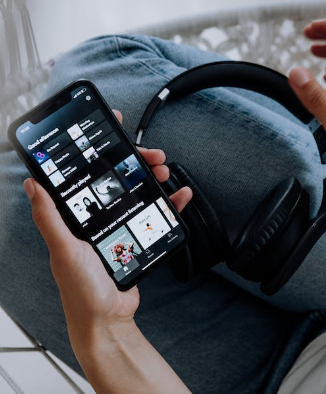
Spotify’s user interface is simple and easy to use. The app is well-organized, and everything is accessible with just a few clicks. The home screen is customized for each user, showing their recently played songs, recommended playlists, and new releases from their favorite artists. The app also features a search bar, which allows users to find any song or podcast they want quickly.

Personalization
Spotify offers a highly personalized experience for its users. The app uses algorithms to analyze a user’s listening history, behavior, and preferences to make recommendations. For example, if a user listens to a lot of jazz, Spotify will suggest new jazz playlists and artists that they might like. Spotify also creates personalized playlists for users based on their listening history, such as “Discover Weekly” and “Daily Mix.”

Cross-Platform Integration
Spotify is available on multiple platforms, including iOS, Android, Windows, and Mac. The app is also compatible with smart speakers, TVs, and game consoles. This allows users to seamlessly switch between devices and continue listening to their music without interruption. The app also allows users to connect with friends and share their favorite songs and playlists.

High-Quality Audio
Spotify offers high-quality audio to its users. The app streams music at up to 320 kbps, which is higher than most other streaming services. This ensures that users can enjoy their music without any distortion or loss of quality. Additionally, Spotify also offers a feature called “HiFi,” which allows users to stream lossless audio.

Offline Playback
Spotify allows users to download songs and playlists for offline playback. This means that users can listen to their music even when they don’t have an internet connection. This feature is especially useful for users who travel frequently or have limited data plans.

Podcasts
Spotify has become a leading platform for podcasts in recent years. The app offers a vast library of podcasts on various topics, including news, comedy, and true crime. The app also features exclusive podcasts, such as “The Michelle Obama Podcast” and “The Joe Rogan Experience.” Spotify has also invested heavily in podcast creation, acquiring companies such as Gimlet Media and The Ringer.

Social Features
Spotify offers various social features that allow users to connect with friends and share their music. The app allows users to follow their friends and see what they are listening to. Users can also create collaborative playlists and share them with others. Additionally, Spotify offers a feature called “Group Session,” which allows users to listen to music together in real-time.

Continuous Playback


Spotify offers continuous playback to its users. This means that when a song ends, another song starts playing automatically. Users can also customize the playback order by creating playlists or shuffling their music. This feature ensures that users can enjoy their music without any interruptions.

In Spotify offers a seamless user experience through its user interface, personalization, cross-platform integration, high-quality audio, offline playback, podcasts, social features, and continuous playback. These features make the app easy to use, highly personalized, and enjoyable for users. It’s no surprise that Spotify has become one of the most popular streaming services in the world.

How does Spotify provide personalized music recommendations

Spotify is one of the most popular music streaming platforms, with over 365 million active users worldwide. One of the things that makes Spotify unique is its personalized music recommendations. The platform uses a combination of machine learning algorithms and user data to deliver recommendations that are tailored to each individual user’s taste. In this article, we’ll take a closer look at how Spotify provides personalized music recommendations.

Collaborative Filtering

One of the key techniques Spotify uses to provide personalized recommendations is collaborative filtering. Collaborative filtering is a type of recommendation system that uses the behavior of other users to make recommendations. In other words, it looks at what other people with similar musical tastes are listening to and suggests those songs to you. This is based on the idea that people who like similar music will also like other similar music.

Spotify uses a technique called matrix factorization to perform collaborative filtering. Matrix factorization involves breaking down a large matrix of user and item data into smaller matrices that can be used to make predictions about new data. In the case of Spotify, the user matrix represents all of the users on the platform, and the item matrix represents all of the songs in the Spotify library.

Spotify’s machine learning algorithms analyze user behavior, such as what songs a user listens to, how frequently they listen to them, and what other users with similar tastes are listening to. The algorithm then uses this data to create a unique profile for each user, which is used to make personalized recommendations.

Natural Language Processing

Another technique Spotify uses to provide personalized recommendations is natural language processing (NLP). NLP is a type of machine learning that allows computers to understand and analyze human language. Spotify uses NLP to analyze user-generated content, such as song titles, artist names, and user reviews, to gain insights into a user’s musical preferences.

For example, if a user frequently listens to songs by a particular artist, Spotify’s NLP algorithm can analyze the lyrics of those songs to identify common themes, emotions, and musical styles. This information can then be used to make recommendations for other songs that have similar themes, emotions, and musical styles.

Spotify’s NLP algorithm also analyzes user-generated content to identify popular playlists, such as workout playlists or party playlists. This information can be used to suggest new songs that are likely to be a good fit for those playlists.

Audio Analysis

In addition to collaborative filtering and NLP, Spotify also uses audio analysis to provide personalized recommendations. Audio analysis involves analyzing the audio characteristics of a song, such as its tempo, key, and genre, to gain insights into a user’s musical preferences.

Spotify’s audio analysis algorithm analyzes each song in the Spotify library and assigns it a variety of characteristics based on its audio features. For example, a song might be classified as “upbeat” or “mellow” based on its tempo and rhythm. Similarly, a song might be classified as “pop” or “rock” based on its musical style.

Spotify’s machine learning algorithms use this information to make personalized recommendations. For example, if a user frequently listens to upbeat, pop songs, Spotify’s algorithm might recommend other upbeat, pop songs that have similar audio characteristics.

User Feedback

Finally, Spotify also uses user feedback to improve its recommendations. Users can provide feedback on the songs they listen to by liking or disliking them. This feedback is used to train Spotify’s machine learning algorithms to better understand a user’s musical preferences.

For example, if a user frequently skips songs by a particular artist, Spotify’s algorithm might learn that the user doesn’t enjoy that artist’s music and stop recommending songs by that artist. Similarly, if a user frequently likes songs with a certain tempo or musical style, Spotify’s algorithm can learn to recommend more songs with similar characteristics.

How does Spotify offer a vast collection of music

Music streaming has revolutionized the way people consume music. Gone are the days when you had to purchase physical albums or download songs to listen to them. Instead, music streaming services like Spotify have made it possible to access a vast collection of music on-demand. But how does Spotify offer such a vast collection of music?

Spotify was founded in 2006 and launched in 2008, initially only available in a few European countries. Today, Spotify has over 356 million active users across 178 markets. The streaming service boasts a music library with over 70 million songs, including licensed tracks and original content. Let’s explore how Spotify is able to offer such a vast collection of music.

Licensing Deals

One of the key ways that Spotify offers such a large music library is through licensing deals. Spotify negotiates deals with record labels, publishers, and distributors to gain access to their catalogs of music. These deals give Spotify the right to stream the music on their platform, which allows them to offer a vast collection of music to their users.

Spotify pays a royalty fee to the rights holders for every stream of a song on their platform. The amount paid varies based on a variety of factors, such as the popularity of the song and the location of the listener. In 2020, Spotify paid out over $5 billion in royalties to rights holders.

Artist Uploads

In addition to licensing deals, Spotify also allows artists to upload their own music directly to the platform. This feature, called Spotify for Artists, allows musicians to upload their music and manage their artist profile on Spotify. This means that users can discover and stream music from independent artists who may not be signed to a record label.

Spotify for Artists also allows artists to see insights into their streams, demographics of their listeners, and playlist placements. This information can help independent artists grow their fan base and gain more exposure on the platform.

User-Generated Content

Spotify also allows users to create their own playlists and share them with others on the platform. This user-generated content adds to the overall collection of music available on the platform. Users can create playlists based on a variety of themes, such as mood, genre, or activity.

Spotify’s algorithm also recommends songs and playlists to users based on their listening habits. This means that users can discover new music that they may not have otherwise found on their own.

Original Content

Spotify has also started to create original content, such as podcasts and exclusive music releases. This original content is only available on Spotify, which makes it an attractive platform for users who want access to this content.

Spotify has invested heavily in original podcasts, acquiring companies like Gimlet Media and The Ringer to produce exclusive content for the platform. This content includes a variety of genres, such as true crime, sports, and comedy.

In addition to podcasts, Spotify has also started to release exclusive music from popular artists. For example, Taylor Swift’s album “Folklore” was initially released exclusively on Spotify.

Spotify offers a vast collection of music through a combination of licensing deals, artist uploads, user-generated content, and original content. The streaming service has over 70 million songs in its library, including licensed tracks and exclusive content.

Spotify’s approach to music streaming has revolutionized the industry, making it easier than ever for users to access a large collection of music on-demand. With its investment in original content and features like Spotify for Artists, it is clear that Spotify will continue to innovate and evolve the music streaming industry for years to come.

What are some effective strategies for promoting my music on Spotify and getting more plays

Spotify is one of the largest music streaming platforms in the world, with millions of users. It is a highly competitive space, with thousands of artists vying for listeners’ attention. If you want to get more plays and promote your music on Spotify, there are several strategies you can employ. In this article, we will discuss some effective ways to promote your music on Spotify and get more plays.

Optimize Your Spotify Profile


Your Spotify profile is your online storefront. It is the first point of contact with potential listeners. Therefore, it is essential to optimize it to make a good impression. Here are some things to consider:

Profile Picture: Use a high-quality profile picture that represents you and your music. It should be eye-catching and reflect your brand.

Bio: Write a compelling bio that tells your story and highlights your unique selling points. It should be concise, informative, and engaging.

Header Image: Use a header image that showcases your latest release, upcoming gigs, or your brand message.

Social Media Links: Include links to your social media profiles, website, and merchandise store. This will help listeners connect with you on other platforms and grow your fan base.

Collaborate with Other Artists


Collaborating with other artists is an effective way to gain exposure and grow your fan base. You can collaborate with other artists in different ways, such as:

Remixes: Remixing other artists’ tracks and releasing them on Spotify can help you gain new listeners and reach new audiences.

Features: Featuring on other artists’ tracks or inviting other artists to feature on your tracks can help you gain exposure and build your network.

Playlists: Collaborating with other artists to create playlists can help you gain exposure and reach new audiences. You can create playlists based on genres, moods, or themes.

Promote Your Music on Social Media
Social media is a powerful tool for promoting your music and engaging with your fans. Here are some tips for promoting your music on social media:

Share your new releases: Share your new releases on your social media platforms and encourage your fans to listen and share.

Engage with your fans: Respond to comments and messages from your fans, and create a community around your music.

Post behind-the-scenes content: Share behind-the-scenes photos and videos of your recording process, gigs, and rehearsals. This can help your fans feel more connected to you and your music.

Create shareable content: Create shareable content such as memes, quotes, and GIFs related to your music. This can help your content reach a wider audience and attract new listeners.

Utilize Spotify Ads


Spotify offers several advertising options to help you promote your music on its platform. Here are some options:

Sponsored Playlists: You can promote your music on Spotify by sponsoring playlists that are relevant to your genre. This can help you reach new audiences and gain more plays.

Display Ads: You can run display ads on Spotify to promote your latest releases, gigs, or merchandise. These ads will appear on users’ screens while they listen to music.

Audio Ads: You can run audio ads on Spotify that play between songs. These ads can help you reach a wider audience and gain more plays.

Utilize Playlist Promotion Services


Several playlist promotion services can help you gain more plays and reach a wider audience on Spotify. Here are some options:

SubmitHub: SubmitHub is a platform that connects artists with curators who can add their music to playlists. You can submit your music to relevant curators and gain more plays.

Playlist Push: Playlist Push is a playlist promotion service that connects artists with curators who can add their music to playlists. You can submit your music to relevant curators and gain more plays.

Are there any paid promotional services or tools that can help me get more plays for my songs on Spotify, and if so, what are they and how effective are they

Are there any paid promotional services or tools that can help me get more plays for my songs on Spotify, and if so, what are they and how effective are they?

As a musician, getting your music out there and heard by a wider audience can be a challenging task. With the rise of music streaming platforms like Spotify, it’s become easier to share your music with the world. However, with so many artists on the platform, it can be tough to get your songs noticed and played by a significant number of listeners. This is where paid promotional services and tools come into play. In this article, we’ll take a look at whether there are any paid promotional services or tools that can help you get more plays for your songs on Spotify, and if so, what they are and how effective they are.

Paid promotional services for Spotify

There are many services available that promise to boost your Spotify plays and streams. These services typically work by promoting your music to their network of listeners, who will then stream your music on Spotify. Some of the most popular paid promotional services for Spotify include:

Playlist placement services: These services can help you get your songs featured on popular playlists on Spotify. They have relationships with playlist curators and can pitch your songs to them for placement. This can be an effective way to get more plays for your songs, as being featured on a popular playlist can expose your music to a wider audience.

Social media promotion services: These services will promote your music on social media platforms like Facebook, Twitter, and Instagram. They will create ads and sponsored posts that will target users who are likely to be interested in your music. This can be an effective way to reach new listeners and get more plays for your songs.

Influencer marketing services: These services will help you find influencers in your niche who can promote your music to their followers. They will reach out to influencers on your behalf and negotiate deals for promotion. This can be an effective way to get your music in front of a targeted audience and get more plays on Spotify.

How effective are paid promotional services?

The effectiveness of paid promotional services can vary depending on the service you use and the quality of the promotion. Some services may use bots or fake accounts to generate plays, which can harm your reputation and credibility on Spotify. It’s essential to choose a reputable service that uses real listeners and organic promotion methods to avoid any negative consequences.

Additionally, paid promotional services are not a guarantee of success. While they can help you get more plays for your songs, they cannot guarantee that your music will resonate with listeners or lead to long-term success. It’s important to have quality music and a strong marketing strategy in place to ensure that your music has the best chance of success on Spotify.

There are paid promotional services and tools available that can help you get more plays for your songs on Spotify. Playlist placement services, social media promotion services, and influencer marketing services are some of the most popular options. However, the effectiveness of these services can vary, and it’s important to choose a reputable service that uses real listeners and organic promotion methods. Ultimately, paid promotional services are not a guarantee of success, and it’s essential to have quality music and a strong marketing strategy in place to ensure long-term success on Spotify.

What role do social media and other online platforms play in promoting my music on Spotify, and how can I use these channels to increase plays for my songs

In today’s digital age, social media and other online platforms play a vital role in promoting music on Spotify. With the right strategies and tools, independent artists and musicians can leverage these channels to reach a wider audience and increase plays for their songs.

Social media platforms like Facebook, Instagram, Twitter, and YouTube have become essential marketing tools for musicians. These platforms allow artists to create a strong online presence, engage with fans, and promote their music to a vast audience.

One of the most effective ways to promote music on social media is by sharing content that resonates with fans. Artists can post behind-the-scenes footage of their recording sessions, teasers of upcoming releases, and live performance clips to keep fans engaged and excited. Additionally, artists can leverage influencer marketing by partnering with social media influencers and celebrities to promote their music.

Another powerful tool for promoting music on social media is paid advertising. Platforms like Facebook and Instagram offer targeted advertising options that allow artists to reach their ideal audience based on factors like age, location, interests, and behaviors. By running targeted ads, artists can reach fans who are more likely to stream their music on Spotify.

Another platform that has become increasingly important for promoting music on Spotify is YouTube. With over 2 billion monthly active users, YouTube has become the go-to platform for discovering new music. Artists can leverage YouTube by creating engaging music videos, sharing live performances, and collaborating with other artists to reach new fans.

Beyond social media and YouTube, there are also a number of other online platforms that can help artists promote their music on Spotify. Music blogs, podcasts, and playlists are all great channels for reaching new fans and increasing plays. By reaching out to music influencers and curators, artists can get their music featured on popular playlists and podcasts, giving their music exposure to a larger audience.

In addition to leveraging these online channels, there are a number of other strategies that artists can use to increase plays for their music on Spotify. One of the most important factors in getting more plays is having a strong presence on the platform. This means creating a well-crafted artist profile, optimizing metadata, and regularly updating content to keep fans engaged.

Another key strategy is to engage with fans and build a community around your music. By responding to comments, creating fan groups, and collaborating with other artists and musicians, you can create a loyal fan base that will support your music and help spread the word.

Finally, it’s important to stay up to date on the latest trends and best practices for promoting music on Spotify. By staying informed about new features, algorithms, and strategies, you can ensure that your music is always getting the exposure it deserves.

Social media and other online platforms have become essential tools for promoting music on Spotify. By leveraging these channels, artists can reach a wider audience, increase plays, and build a strong online presence. With the right strategies and tools, independent artists and musicians can compete with the biggest names in the industry and achieve success on this popular streaming platform

About Optimize Your Profile on Spotify

Spotify is one of the most popular music streaming platforms in the world, with over 365 million monthly active users as of 2021. As an artist or content creator on Spotify, having an optimized profile can help you gain more followers and increase your visibility on the platform. In this article, we will discuss some tips and strategies to optimize your profile on Spotify.

Choose the right profile picture and header image
Your profile picture and header image are the first things that users will see when they visit your Spotify profile. Therefore, it’s essential to choose images that represent your brand and music style accurately. Your profile picture should be a square image with a minimum size of 640 x 640 pixels. Your header image should be a JPEG or PNG file with a minimum size of 2048 x 1152 pixels. Make sure that your images are high-quality and visually appealing.

Write a compelling bio
Your bio is an essential component of your Spotify profile as it gives users a brief overview of your music and career. Your bio should be concise, engaging, and informative. It’s an opportunity to introduce yourself to potential fans and give them a reason to follow you. Consider adding some personal details, such as your influences, hometown, and musical background. Don’t forget to include links to your social media accounts and website.

Customize your playlists
Playlists are an excellent way to showcase your music and reach a broader audience on Spotify. Consider creating playlists that feature your own music as well as tracks from other artists in your genre. You can also create playlists for different moods or occasions, such as workout music or party music. Make sure that your playlists have engaging titles and descriptions that entice users to listen.

Promote your Spotify profile on social media
Social media is a powerful tool for promoting your music and increasing your visibility on Spotify. Make sure to share your Spotify profile on your social media accounts and include links in your posts and bios. You can also create social media graphics that promote your music and Spotify profile. Consider using hashtags and collaborating with other artists in your genre to reach a wider audience.

Collaborate with other artists
Collaborating with other artists can help you reach a new audience and increase your visibility on Spotify. Consider collaborating on a song or creating a playlist with another artist in your genre. You can also consider featuring other artists’ music on your profile or asking them to feature your music on their profile.

Use keywords in your profile
Keywords are essential for improving your search ranking on Spotify. Make sure that your profile includes relevant keywords, such as your music genre, location, and influences. You can also use keywords in your playlist titles and descriptions to improve their search ranking.

Release new music regularly
Releasing new music regularly is essential for maintaining your presence on Spotify and keeping your fans engaged. Consider releasing singles, EPs, or albums on a regular schedule. You can also consider releasing exclusive content on Spotify, such as acoustic versions or remixes of your songs.

Use Spotify for Artists
Spotify for Artists is a powerful tool that can help you track your performance on Spotify and optimize your profile. With Spotify for Artists, you can see how many streams and listeners you have, as well as where your fans are located. You can also use the tool to update your profile, manage your playlists, and submit new releases to Spotify.

In conclusion, optimizing your profile on Spotify is essential for gaining more followers and increasing your visibility on the platform. By choosing the right profile picture and header image, writing a compelling bio, customizing your playlists, promoting your profile on social media, collaborating with other artists, using keywords in your profile, releasing new music regularly, and using Spotify for Artists, you can improve your presence

Promote Your Music on Social Media

Promoting your music online through social media can be a powerful tool to reach new fans, build your brand, and increase your visibility in the music industry. With so many musicians competing for attention on social media, it’s essential to have a solid strategy to promote your music effectively. Here are some tips to help you promote your music online through social media.

Person Holding Black Iphone 5

Choose the right platforms
Choosing the right social media platforms to promote your music is key to reaching your target audience. Each platform has unique features and audiences that can benefit your music promotion efforts. For instance, Instagram is great for visual content like photos and short videos, while Twitter is better for short updates and news. Facebook is good for longer-form content, and building a community around your music.

It’s essential to research which platforms your target audience is most active on and focus your efforts on those platforms. You don’t have to be on every social media platform, but it’s essential to have a strong presence on the ones that matter most to your fans.

Create engaging content
The content you post on social media should be high-quality, engaging, and relevant to your brand and style. Your content should include not only your music but also other types of content, such as behind-the-scenes footage, personal updates, and stories that give your fans a glimpse of your life as a musician.

Make sure your content is diverse and offers a range of value to your fans. Avoid just posting links to your music or promotional messages. Instead, create a mix of different types of content to keep your fans engaged and interested.

Engage with your fans
Engaging with your fans on social media is critical to building relationships and growing your fan base. Make sure to respond to comments and messages, ask for feedback on your music, and participate in conversations on your posts.

Engaging with your fans can also help you build relationships with other musicians, industry professionals, and influencers in your genre. Collaborating with other artists or getting a shoutout from a popular influencer can help you reach new audiences and build your fan base.

Use hashtags and keywords
Hashtags and keywords are essential tools to help your music get discovered on social media. They can help your content appear in searches for specific topics or trends and increase your visibility.

When using hashtags, make sure they are relevant to your content and not too broad or generic. Research popular hashtags in your genre or topic to find the ones that will be most effective for reaching your audience.

Run targeted ads
Running targeted ads on social media can be a great way to reach new audiences and promote your music. Most social media platforms allow you to target your ads based on factors like age, location, interests, and more.

When running ads, make sure your targeting is specific and relevant to your audience. Don’t waste money on ads that will be seen by people who aren’t interested in your music. Also, make sure your ad creative is engaging and reflects your brand and style.

Collaborate with other musicians
Collaborating with other musicians can help you reach new audiences and expand your fan base. Look for artists in your genre who have a similar audience and reach out to them to collaborate on a song or project.

Collaborating with other artists can also help you build relationships and connections in the music industry. You may be able to work with industry professionals who can help you grow your career.

Host online events
Hosting online events, such as live performances or Q&A sessions, is an excellent way to engage with your fans and promote your music. You can host these events on social media platforms like Facebook or Instagram.

Make sure to promote your events in advance to attract a large audience. You can also offer exclusive content or giveaways to incentivize fans to attend.

Collaborate with Other Artists on spotify

Collaborating with other artists is an important aspect of being a successful musician in today’s industry. With the advent of streaming platforms like Spotify, it has become easier than ever for artists to connect and collaborate with one another. In this article, we will explore the benefits of collaborating with other artists on Spotify, and provide some tips on how to make the most out of these collaborations.

Benefits of Collaborating with Other Artists on Spotify

Access to a wider audience: When two or more artists collaborate on a track, they are able to tap into each other’s fan bases. This means that their music is exposed to a wider audience, potentially leading to more streams, followers, and fans.

Increased creativity: Collaborating with other artists can lead to increased creativity, as each artist brings their unique style and perspective to the project. This can result in a track that is more dynamic, layered, and interesting than if it had been created by one artist alone.

Networking opportunities: Collaborating with other artists on Spotify can also provide valuable networking opportunities. This can lead to future collaborations, live performances, and other professional opportunities.

Tips for Collaborating with Other Artists on Spotify

Choose the right collaborator: When choosing a collaborator, it’s important to find someone who shares your musical vision and style. This will ensure that the collaboration is productive and enjoyable for both parties.

Communicate clearly: Clear communication is key when collaborating with other artists on Spotify. Make sure to establish clear goals, timelines, and expectations from the beginning.

Utilize technology: There are a variety of tools available on Spotify that can help facilitate collaboration, such as the ability to share playlists and tracks, and the ability to leave comments and feedback on each other’s work.

Be open to new ideas: One of the benefits of collaborating with other artists on Spotify is the opportunity to be exposed to new ideas and styles. Be open to trying new things, and be willing to compromise and adapt as needed.

Give credit where credit is due: When the collaboration is complete, make sure to properly credit all artists involved. This includes giving credit in the track title, description, and any promotional materials.

Examples of Successful Collaborations on Spotify

Billie Eilish and Khalid – “Lovely”: This haunting track features the distinctive vocals of both Billie Eilish and Khalid, and has over one billion streams on Spotify.

Ed Sheeran and Justin Bieber – “I Don’t Care”: This upbeat pop track showcases the combined talents of Ed Sheeran and Justin Bieber, and has over 1.5 billion streams on Spotify.

BeyoncĂ© and Jay-Z – “Apeshit”: This powerful hip-hop track features the iconic duo of BeyoncĂ© and Jay-Z, and has over 500 million streams on Spotify.

Conclusion

Collaborating with other artists on Spotify can be a valuable and rewarding experience for musicians of all genres and skill levels. By choosing the right collaborator, communicating clearly, utilizing technology, being open to new ideas, and giving credit where credit is due, artists can create tracks that are more dynamic, creative, and successful than if they had worked alone. So whether you’re a singer, songwriter, producer, or instrumentalist, consider collaborating with other artists on Spotify to take your music to the next level.

Spotify Ads for Businesses

Spotify is one of the most popular music streaming platforms in the world, with over 365 million active users as of 2021. With such a massive audience, it’s no surprise that businesses are utilizing Spotify ads to reach their target customers. In this article, we will explore the benefits of using Spotify ads and how you can effectively use them to reach your marketing goals.

Reach a large audience: One of the biggest advantages of using Spotify ads is that it allows you to reach a massive audience. As mentioned earlier, Spotify has over 365 million active users, and this number is constantly growing. By advertising on Spotify, you can reach a diverse audience from different demographics, geographies, and interests.

Target specific audiences: Spotify offers a range of targeting options to help you reach your specific target audience. You can target users based on their age, gender, location, interests, listening habits, and more. This means you can create ads that are tailored to specific groups, making your advertising more effective.

Cost-effective: Spotify ads are also cost-effective, and you can start with as little as $250. You only pay when someone interacts with your ad, which means you don’t have to waste money on ads that don’t work. You can also set a daily budget for your ad campaign, which ensures that you don’t overspend on your marketing budget.

Engage your audience: With Spotify ads, you can engage your audience in different ways. For example, you can create audio ads, video ads, sponsored playlists, and more. These different ad formats allow you to be creative and engage your audience in different ways, which can increase brand awareness and loyalty.

Measure your success: Spotify provides detailed analytics that allows you to track the success of your ad campaign. You can see how many times your ad was played, how many people interacted with it, and more. This data can help you optimize your campaign and make changes to improve its effectiveness.

How to effectively use Spotify ads

Now that you know the benefits of using Spotify ads, let’s look at some tips for effectively using them.

Define your target audience: The first step in creating an effective Spotify ad campaign is to define your target audience. Who are you trying to reach? What are their interests and listening habits? By defining your target audience, you can create ads that are tailored to their interests and needs.

Choose the right ad format: Spotify offers a range of ad formats, including audio ads, video ads, sponsored playlists, and more. You should choose the right format that aligns with your marketing goals and target audience. For example, if you want to increase brand awareness, a sponsored playlist may be more effective than a video ad.

Keep it short and sweet: Spotify ads are typically 30 seconds or less, so it’s essential to keep your message short and sweet. Make sure your ad conveys your message quickly and effectively. You can also use humor or storytelling to make your ad more engaging.

Use a clear call-to-action: Your ad should have a clear call-to-action that encourages users to take action. This can be anything from visiting your website to purchasing a product. Make sure your call-to-action is clear and easy to understand.

Monitor and optimize your campaign: Finally, it’s essential to monitor and optimize your ad campaign. Use the data provided by Spotify to see how your ad is performing and make changes to improve its effectiveness. You can also A/B test different ad formats and targeting options to see what works best for your business.

Conclusion

Spotify ads are a powerful marketing tool that can help businesses reach a massive audience, engage users, and drive conversions. By following the tips outlined in this article, you can create.