Promote Your Music on Social Media

Promoting your music online through social media can be a powerful tool to reach new fans, build your brand, and increase your visibility in the music industry. With so many musicians competing for attention on social media, it’s essential to have a solid strategy to promote your music effectively. Here are some tips to help you promote your music online through social media.

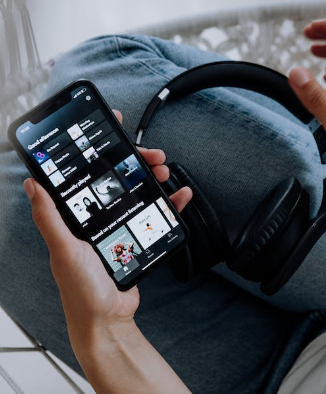
Person Holding Black Iphone 5

Choose the right platforms
Choosing the right social media platforms to promote your music is key to reaching your target audience. Each platform has unique features and audiences that can benefit your music promotion efforts. For instance, Instagram is great for visual content like photos and short videos, while Twitter is better for short updates and news. Facebook is good for longer-form content, and building a community around your music.

It’s essential to research which platforms your target audience is most active on and focus your efforts on those platforms. You don’t have to be on every social media platform, but it’s essential to have a strong presence on the ones that matter most to your fans.

Create engaging content
The content you post on social media should be high-quality, engaging, and relevant to your brand and style. Your content should include not only your music but also other types of content, such as behind-the-scenes footage, personal updates, and stories that give your fans a glimpse of your life as a musician.

Make sure your content is diverse and offers a range of value to your fans. Avoid just posting links to your music or promotional messages. Instead, create a mix of different types of content to keep your fans engaged and interested.

Engage with your fans
Engaging with your fans on social media is critical to building relationships and growing your fan base. Make sure to respond to comments and messages, ask for feedback on your music, and participate in conversations on your posts.

Engaging with your fans can also help you build relationships with other musicians, industry professionals, and influencers in your genre. Collaborating with other artists or getting a shoutout from a popular influencer can help you reach new audiences and build your fan base.

Use hashtags and keywords
Hashtags and keywords are essential tools to help your music get discovered on social media. They can help your content appear in searches for specific topics or trends and increase your visibility.

When using hashtags, make sure they are relevant to your content and not too broad or generic. Research popular hashtags in your genre or topic to find the ones that will be most effective for reaching your audience.

Run targeted ads
Running targeted ads on social media can be a great way to reach new audiences and promote your music. Most social media platforms allow you to target your ads based on factors like age, location, interests, and more.

When running ads, make sure your targeting is specific and relevant to your audience. Don’t waste money on ads that will be seen by people who aren’t interested in your music. Also, make sure your ad creative is engaging and reflects your brand and style.

Collaborate with other musicians
Collaborating with other musicians can help you reach new audiences and expand your fan base. Look for artists in your genre who have a similar audience and reach out to them to collaborate on a song or project.

Collaborating with other artists can also help you build relationships and connections in the music industry. You may be able to work with industry professionals who can help you grow your career.

Host online events
Hosting online events, such as live performances or Q&A sessions, is an excellent way to engage with your fans and promote your music. You can host these events on social media platforms like Facebook or Instagram.

Make sure to promote your events in advance to attract a large audience. You can also offer exclusive content or giveaways to incentivize fans to attend.

Collaborate with Other Artists on spotify

Collaborating with other artists is an important aspect of being a successful musician in today’s industry. With the advent of streaming platforms like Spotify, it has become easier than ever for artists to connect and collaborate with one another. In this article, we will explore the benefits of collaborating with other artists on Spotify, and provide some tips on how to make the most out of these collaborations.

Benefits of Collaborating with Other Artists on Spotify

Access to a wider audience: When two or more artists collaborate on a track, they are able to tap into each other’s fan bases. This means that their music is exposed to a wider audience, potentially leading to more streams, followers, and fans.

Increased creativity: Collaborating with other artists can lead to increased creativity, as each artist brings their unique style and perspective to the project. This can result in a track that is more dynamic, layered, and interesting than if it had been created by one artist alone.

Networking opportunities: Collaborating with other artists on Spotify can also provide valuable networking opportunities. This can lead to future collaborations, live performances, and other professional opportunities.

Tips for Collaborating with Other Artists on Spotify

Choose the right collaborator: When choosing a collaborator, it’s important to find someone who shares your musical vision and style. This will ensure that the collaboration is productive and enjoyable for both parties.

Communicate clearly: Clear communication is key when collaborating with other artists on Spotify. Make sure to establish clear goals, timelines, and expectations from the beginning.

Utilize technology: There are a variety of tools available on Spotify that can help facilitate collaboration, such as the ability to share playlists and tracks, and the ability to leave comments and feedback on each other’s work.

Be open to new ideas: One of the benefits of collaborating with other artists on Spotify is the opportunity to be exposed to new ideas and styles. Be open to trying new things, and be willing to compromise and adapt as needed.

Give credit where credit is due: When the collaboration is complete, make sure to properly credit all artists involved. This includes giving credit in the track title, description, and any promotional materials.

Examples of Successful Collaborations on Spotify

Billie Eilish and Khalid – “Lovely”: This haunting track features the distinctive vocals of both Billie Eilish and Khalid, and has over one billion streams on Spotify.

Ed Sheeran and Justin Bieber – “I Don’t Care”: This upbeat pop track showcases the combined talents of Ed Sheeran and Justin Bieber, and has over 1.5 billion streams on Spotify.

BeyoncĂ© and Jay-Z – “Apeshit”: This powerful hip-hop track features the iconic duo of BeyoncĂ© and Jay-Z, and has over 500 million streams on Spotify.

Conclusion

Collaborating with other artists on Spotify can be a valuable and rewarding experience for musicians of all genres and skill levels. By choosing the right collaborator, communicating clearly, utilizing technology, being open to new ideas, and giving credit where credit is due, artists can create tracks that are more dynamic, creative, and successful than if they had worked alone. So whether you’re a singer, songwriter, producer, or instrumentalist, consider collaborating with other artists on Spotify to take your music to the next level.

Spotify Ads for Businesses

Spotify is one of the most popular music streaming platforms in the world, with over 365 million active users as of 2021. With such a massive audience, it’s no surprise that businesses are utilizing Spotify ads to reach their target customers. In this article, we will explore the benefits of using Spotify ads and how you can effectively use them to reach your marketing goals.

Reach a large audience: One of the biggest advantages of using Spotify ads is that it allows you to reach a massive audience. As mentioned earlier, Spotify has over 365 million active users, and this number is constantly growing. By advertising on Spotify, you can reach a diverse audience from different demographics, geographies, and interests.

Target specific audiences: Spotify offers a range of targeting options to help you reach your specific target audience. You can target users based on their age, gender, location, interests, listening habits, and more. This means you can create ads that are tailored to specific groups, making your advertising more effective.

Cost-effective: Spotify ads are also cost-effective, and you can start with as little as $250. You only pay when someone interacts with your ad, which means you don’t have to waste money on ads that don’t work. You can also set a daily budget for your ad campaign, which ensures that you don’t overspend on your marketing budget.

Engage your audience: With Spotify ads, you can engage your audience in different ways. For example, you can create audio ads, video ads, sponsored playlists, and more. These different ad formats allow you to be creative and engage your audience in different ways, which can increase brand awareness and loyalty.

Measure your success: Spotify provides detailed analytics that allows you to track the success of your ad campaign. You can see how many times your ad was played, how many people interacted with it, and more. This data can help you optimize your campaign and make changes to improve its effectiveness.

How to effectively use Spotify ads

Now that you know the benefits of using Spotify ads, let’s look at some tips for effectively using them.

Define your target audience: The first step in creating an effective Spotify ad campaign is to define your target audience. Who are you trying to reach? What are their interests and listening habits? By defining your target audience, you can create ads that are tailored to their interests and needs.

Choose the right ad format: Spotify offers a range of ad formats, including audio ads, video ads, sponsored playlists, and more. You should choose the right format that aligns with your marketing goals and target audience. For example, if you want to increase brand awareness, a sponsored playlist may be more effective than a video ad.

Keep it short and sweet: Spotify ads are typically 30 seconds or less, so it’s essential to keep your message short and sweet. Make sure your ad conveys your message quickly and effectively. You can also use humor or storytelling to make your ad more engaging.

Use a clear call-to-action: Your ad should have a clear call-to-action that encourages users to take action. This can be anything from visiting your website to purchasing a product. Make sure your call-to-action is clear and easy to understand.

Monitor and optimize your campaign: Finally, it’s essential to monitor and optimize your ad campaign. Use the data provided by Spotify to see how your ad is performing and make changes to improve its effectiveness. You can also A/B test different ad formats and targeting options to see what works best for your business.

Conclusion

Spotify ads are a powerful marketing tool that can help businesses reach a massive audience, engage users, and drive conversions. By following the tips outlined in this article, you can create.